Why is Data Destruction Important?

Data destruction is the process of permanently eliminating information from storage devices, ensuring it cannot be recovered or reconstructed. This is a critical part of modern data security and compliance planning.

In today’s digital economy, businesses process large amounts of personal data, making secure data destruction a necessity rather than an option. Without it, organisations expose themselves to breaches, compliance failures, and reputational damage. This is why professional data destruction services play a key role in protecting information assets and maintaining trust with customers and partners.

Why Is Data Destruction Important?

Data destruction is important because it permanently removes sensitive data from storage devices, preventing unauthorised recovery, reducing security risks, and ensuring compliance with data protection regulations such as GDPR.

Why Data Destruction Matters for Modern Organisations

Data destruction matters because deleted files are not truly erased unless properly removed. Even formatted drives can retain recoverable information, creating a hidden risk of data exposure.

This is where proper data destruction becomes essential. It ensures that confidential records are not left vulnerable when hardware reaches end-of-life.

Businesses that ignore this process increase their exposure to cybercrime, identity theft, and regulatory penalties.

Strong organisations integrate secure data destruction into their IT lifecycle to ensure data is protected from creation to final disposal.

Data Security and Secure Data Disposal

Modern data security strategies are incomplete without structured destruction processes. Sensitive files stored on laptops, servers, or backup systems must be fully eliminated when no longer needed.

Techniques such as data wiping overwrite information multiple times, while physical destruction destroys the hardware entirely.

Both approaches ensure that destroying data is irreversible.

For organisations managing large IT estates, scalable solutions such as data destruction services provide certified processes designed to eliminate risk and maintain compliance.

Data Protection Regulations and Legal Compliance

Compliance with data protection regulations is a legal requirement for UK organisations. Under the General Data Protection Regulation (GDPR), businesses must ensure personal data is securely handled throughout its lifecycle, including disposal.

Failure to comply can lead to fines and legal action, especially when data is improperly stored or discarded. This makes securely disposing of IT assets a core responsibility for any organisation handling sensitive records.

Certified providers offering secure data destruction help businesses meet strict compliance requirements while reducing operational risk.

Methods for Destroying Data

There are several recognised data destruction methods used to protect sensitive information and prevent recovery.

  1. Data wiping is a software-based process that overwrites existing data multiple times until it becomes unreadable. It is commonly used for devices that will be reused or resold.

  2. Physical destruction involves shredding or crushing storage devices, ensuring that no digital traces remain. This method is typically used for highly sensitive or obsolete hardware.

  3. Many organisations also use hybrid approaches to strengthen secure data destruction, depending on sensitivity levels and device type.

Physical Document and Digital Data Protection Combined

Businesses often overlook paper-based records when focusing on digital systems. However, both formats contain sensitive data that must be handled securely.

Services such as confidential document shredding ensure that printed records are destroyed in the same secure manner as digital files. Combining physical and digital destruction strategies ensures full protection across all information channels and reduces gaps in compliance.

Risks of Poor Data Destruction Practices

Improper handling of data disposal can lead to severe consequences. Recovered files from discarded devices may expose financial records, customer databases, or internal communications.

This increases the risk of data breaches and regulatory violations. It can also damage brand reputation and reduce trust with customers and partners.

Implementing proper data destruction processes helps prevent these risks while strengthening long-term operational security.

Environmental Responsibility in Data Destruction

Modern data disposal is the process of permanently removing data while also supporting sustainable recycling practices.

Many IT assets contain recyclable materials that must be handled responsibly.

Certified providers ensure storage devices are securely destroyed before recycling, reducing environmental impact while maintaining compliance standards.

This approach supports corporate sustainability goals alongside data security.

About Trusted Data Handling Standards

Organisations that specialise in secure processing follow strict protocols to ensure transparency and accountability.

These frameworks ensure that every stage of destruction is documented, verified, and compliant with UK regulations.
Do Shredding Companies Recycle the Paper?

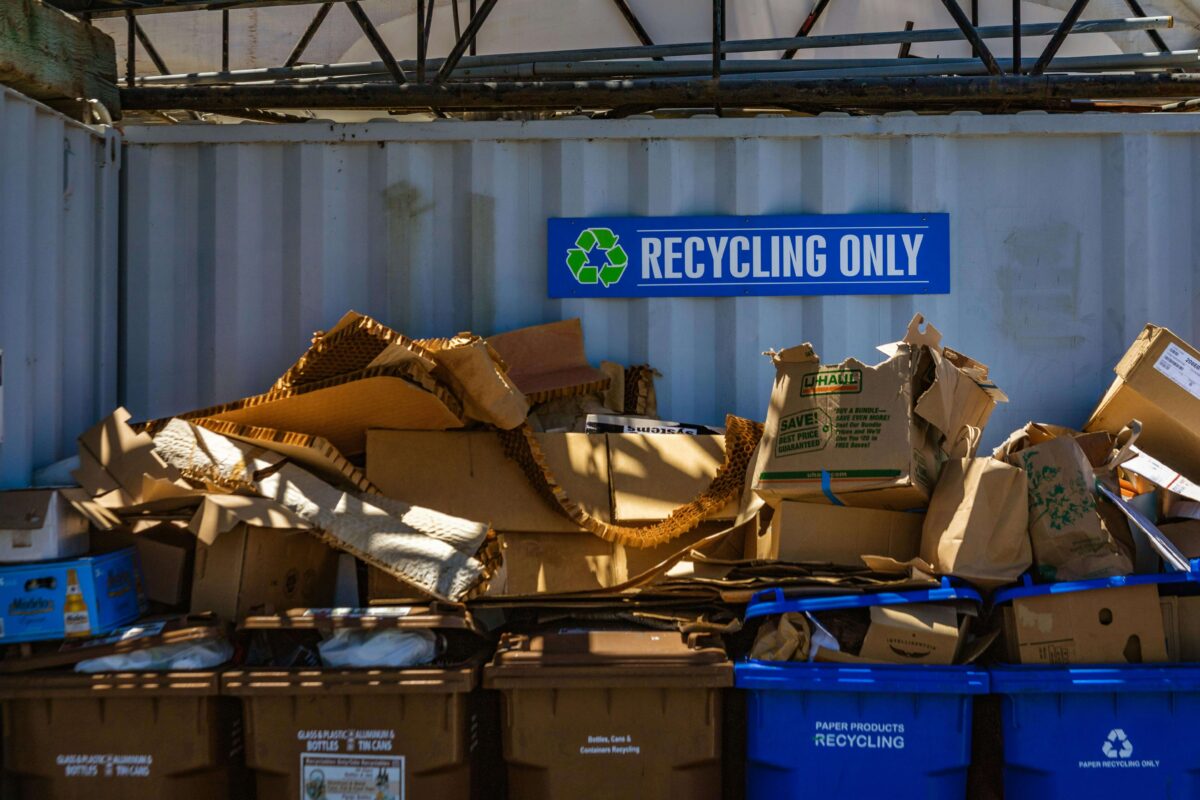
Shredding companies recycle the paper they shred by sending securely destroyed documents to a recycling facility or paper mill, where they are processed into recycled paper used for new paper products. This supports data protection, eco-friendly waste management, and corporate responsibility.

Shredding companies ensure shredded paper is securely destroyed, processed through a recycling process, and converted into recycled paper that supports sustainability and data protection compliance.

In short, shredding companies recycle through controlled, audited channels.

Do Shredding Companies Recycle the Paper?

 In the UK, most reputable providers ensure that shredded material is not wasted and is instead directed into a controlled recycling system.

After documents are securely destroyed, the shredded paper is collected and transported to a recycling facility, where it is processed into raw fibre. This fibre is then used to create recycled paper and other paper products, supporting both environmental and regulatory goals.

This system ensures that sensitive data is protected while also reducing environmental impact.

Shredding Process and Secure Document Handling

The shredding process begins with secure collection systems such as locked consoles or scheduled pickups. Once collected, documents are securely shredded using industrial machines designed for high-volume destruction.

Professional providers offering confidential document shredding ensure that all materials are fully destroyed before leaving the site. This eliminates any risk of data recovery and supports strict data protection standards.

After shredding, materials are compressed and prepared for transport, ensuring efficient handling before reaching recycling facilities.

Data Protection and Securely Destroyed Materials

Data protection regulations require organisations to handle sensitive information responsibly. Shredding companies play a critical role in ensuring documents are securely destroyed and cannot be reconstructed.

Businesses using data destruction services benefit from verified processes that meet compliance standards. A certificate of destruction is issued after processing, confirming that all materials have been securely shredded.

This documentation is essential for audits, legal compliance, and maintaining customer trust.

Recycling Process at the Facility and Paper Mill Stage

Once shredded paper reaches a recycling facility, it enters a multi-stage recycling process. The material is broken down into pulp, filtered, and cleaned to remove contaminants such as staples, adhesives, and plastic residues.

At the paper mill stage, this recycled fibre is converted into new paper products such as packaging materials, tissue paper, and office supplies. This reduces reliance on virgin wood pulp and supports sustainable manufacturing.

The process demonstrates how shredding companies contribute directly to circular economy practices.

Eco-Friendly Benefits of Recycling Shredded Paper

Recycling shredded paper provides significant environmental advantages. It reduces landfill waste, conserves natural resources, and lowers energy consumption compared to producing paper from raw materials.

Eco-friendly shredding also supports corporate sustainability targets, helping businesses demonstrate responsibility through measurable environmental action.

By integrating shredding services with recycling systems, organisations contribute to reduced carbon emissions and improved waste efficiency.

Corporate Responsibility and Compliance Standards

Modern businesses are expected to meet both environmental and data protection obligations. Using professional shredding services helps achieve both goals simultaneously.

Organisations that invest in structured document destruction systems improve their corporate social responsibility profile while maintaining compliance with legal frameworks.

Services such as confidential document shredding services ensure that waste management is both secure and environmentally responsible.

Recycling Bin Limitations and Safe Alternatives

Although shredded paper may sometimes be placed in a recycling bin, it can create processing challenges due to its loose structure. Containment is often required to prevent contamination and improve recycling efficiency.

Professional shredding companies remove this issue entirely by managing the full lifecycle of shredded materials, from destruction to recycling.

This ensures that all waste is handled in a controlled and compliant system without environmental risk.

What Can Shredded Paper Be Used For?

Shredded paper is often seen as waste, but it has many practical and eco-friendly uses in homes and businesses. If you are asking “what can shredded paper be used for?”, shredded paper can be used as packing material, added to compost systems, used in gardening, made into fire starters, or used for pet bedding. These common uses of shredded paper help reduce waste across households and workplaces. 

Across the UK, sustainable waste practices encourage reuse before disposal, helping reduce landfill impact and improving recycling efficiency. Many organisations also follow structured waste handling processes such as secure shredding and recycling systems provided by professional waste management services.

What Can Shredded Paper Be Used for in Everyday Life?

Shredded paper is lightweight, absorbent, and biodegradable, making it highly versatile. It is widely used to replace plastic-based fillers, improve compost quality, and support sustainable household practices.

It is especially useful for reducing waste volume while giving materials a second life, instead of sending them directly to a landfill.

Using Shredded Paper as Packing Material

One of the most effective uses of shredded paper is as a protective packing material. It cushions fragile items during shipping and storage while reducing reliance on plastic packaging products.

Many businesses choose shredded paper because it is recyclable, low-cost, and environmentally friendly. It is commonly used in parcel filling, gift packaging, and e-commerce deliveries.

Before reuse, businesses often ensure documents are safely processed through secure destruction services such as SaferWaste data destruction process to protect sensitive information before recycling materials.

Can Shredded Paper Be Composted?

Shredded paper is an excellent composting material because it provides carbon that balances nitrogen-rich organic waste. When added to a compost bin, it improves airflow and structure while helping control moisture levels.

It works effectively when combined with kitchen scraps and garden waste, creating a balanced compost pile that breaks down efficiently over time.

However, glossy paper and heavily coloured paper should be avoided as they may contain coatings that slow decomposition or introduce unwanted chemicals.

Shredded Paper for Gardening Use

In gardening, shredded paper acts as a natural mulch. It helps soil retain moisture, reduces weed growth, and improves soil texture as it breaks down.

It is particularly useful in vegetable gardens and flower beds where moisture control is important. When mixed with garden waste, it supports healthier composting systems and improves long-term soil fertility.

Fire Starters for Heating and Outdoor Use

Dry shredded paper can be used to create simple fire starters for wood stoves, fireplaces, and camping fires. It ignites quickly and helps establish a stable flame.

Many households combine shredded paper with toilet paper rolls to create compact fire starters that are easy to store and use during colder seasons.

Avoid using glossy paper, as it may release unwanted fumes when burned.

Pet Bedding and Household Reuse

Shredded paper is commonly used as bedding for small pets such as rabbits and hamsters because it is soft, absorbent, and insulating.

It can also be placed under cat litter trays to help absorb moisture and reduce odours. Clean, plain paper is always recommended to ensure safety for animals.

Is Shredded Paper Recyclable in the UK?

Shredded paper can sometimes be recycled, but rules vary depending on local councils. It must be clean, dry, and free from contamination to be accepted in most recycling systems.

For businesses, proper disposal is essential under UK commercial waste regulations. Official guidance on business waste disposal is available here:

UK business waste disposal rules

Understanding correct disposal methods helps improve recycling quality and ensures compliance with environmental standards.

Real UK Practices and Community Use

Many UK households actively reuse shredded paper instead of discarding it. Common uses include packaging filler, compost material, and garden mulch.

Public discussions also highlight everyday reuse habits, showing how people repurpose shredded paper in practical ways rather than treating it as waste.

These real-life practices reflect a growing shift toward sustainability and waste reduction.

Environmental Benefits of Reusing Shredded Paper

Reusing shredded paper helps reduce landfill pressure and supports more efficient use of natural resources. It reduces demand for new paper production, which in turn lowers energy and water consumption.

It also plays an important role in circular economy systems, where materials are reused multiple times instead of being discarded after a single use.

Businesses looking to improve sustainability practices often explore structured recycling and waste management systems.

Does Shredded Paper Make Good Compost?

Shredded paper is one of the most effective brown compost materials for home compost bins. It contains carbon-rich fibres that help balance nitrogen-heavy food waste and garden clippings, and many gardeners successfully use shredded paper as compost in their routine. When mixed correctly, shredded paper improves airflow, supports decomposition, and helps create nutrient-rich compost for healthier soil.

Many households dispose of large amounts of paper and cardboard each week. Composting these materials is an environmentally friendly way to reduce landfill waste while improving garden sustainability. Instead of placing paper waste into general rubbish bins, composting allows these biodegradable materials to break down naturally and return valuable nutrients to the soil.

Shredded paper is particularly useful because smaller pieces decompose more efficiently than whole sheets. For anyone asking “does shredded paper make good compost?”, this faster breakdown also improves the overall structure of compost heaps.

Does Shredded Paper Make Good Compost?

Yes. Shredded paper makes excellent compost because it:

  • Adds carbon to balance green waste
  • Improves airflow inside compost heaps
  • Helps control moisture levels
  • Breaks down naturally over time
  • Supports eco-friendly waste reduction
  • Works well with paper and cardboard materials

Plain paper products without plastic coatings are usually safe for composting.

Why Shredded Paper Improves Compost Quality

Healthy compost requires a balance between carbon-rich brown materials and nitrogen-rich green materials. Shredded paper belongs to the brown category and plays an important role in maintaining compost structure.

Without enough brown materials, compost heaps may become wet, compacted, and produce unpleasant odours. Shredded paper absorbs excess moisture and allows oxygen to circulate more effectively through the pile.

Good oxygen flow supports beneficial microorganisms that break down waste naturally. Faster microbial activity produces compost more efficiently and creates healthier growing conditions for plants.

Many environmentally conscious households already use confidential document shredding services and often reuse non-sensitive shredded paper for composting purposes.

What Types of Paper and Cardboard Are Safe for Compost?

Most plain paper and cardboard materials are compostable. Brown cardboard, newspaper, office paper, and paper packaging all decompose naturally under the right compost conditions.

Safe compost materials include:

  • Shredded office paper
  • Newspaper
  • Cardboard boxes
  • Paper bags
  • Egg cartons
  • Non-glossy envelopes
  • Plain paper packaging

However, some paper products should be avoided because they contain coatings, chemicals, or plastics that do not decompose properly.

Avoid composting:

  • Glossy magazines
  • Laminated paper
  • Wax-coated cardboard
  • Glitter wrapping paper
  • Plastic-lined packaging
  • Thermal till receipts

Removing tape, staples, and labels before composting cardboard improves decomposition and keeps compost cleaner.

How to Compost Shredded Paper Correctly

Properly composting shredded paper improves decomposition speed and prevents compost-related problems. Paper should never be added in thick, compacted layers because this limits airflow.

For best results, shredded paper should be mixed evenly with green compost materials such as vegetable peelings, coffee grounds, grass cuttings, and fresh garden waste.

Maintaining the correct balance between brown and green materials is essential. Compost heaps generally work best with more brown material than green waste.

Keeping compost slightly damp also helps microorganisms break down paper fibres more efficiently. Dry compost slows decomposition, while excessive moisture may reduce oxygen flow.

Regularly turning compost introduces oxygen and speeds up the natural breakdown process. Many homes and businesses seeking sustainable waste solutions also explore secure waste management services to reduce paper waste responsibly. If you’ve seen searches like “shredded paper make good compost”, this balanced approach is what ensures the best results.

Can Cardboard Be Added to Compost?

Yes, cardboard is highly compostable and works extremely well alongside shredded paper. Cardboard provides additional carbon and helps maintain compost structure during decomposition.

Brown cardboard is ideal because it is usually free from glossy coatings. Smaller cardboard pieces break down faster, especially when lightly dampened before composting.

Paper and cardboard together create an excellent balance for healthy compost production. Compost heaps containing mixed brown materials often maintain better airflow and moisture control throughout the decomposition cycle.

How Long Does Shredded Paper Take to Decompose?

Shredded paper typically decomposes within two to six months, depending on compost conditions. Warm compost heaps with regular airflow and balanced moisture levels break down materials much faster.

Several factors affect decomposition speed:

  • Compost temperature
  • Air circulation
  • Moisture content
  • Size of paper pieces
  • Frequency of turning

Fine shredded paper decomposes more quickly because microorganisms can access more surface area.

Cardboard may take slightly longer because of its thicker fibres, but tearing it into smaller pieces speeds up decomposition significantly.

Environmental Benefits of Composting Paper and Cardboard

Composting paper and cardboard reduces household waste and lowers environmental impact. Paper products sent to landfills often decompose without oxygen, producing methane gas that contributes to climate change.

Composting instead supports sustainable waste management by recycling nutrients naturally back into the soil.

Benefits include:

  • Reduced landfill waste
  • Lower greenhouse gas emissions
  • Improved soil quality
  • Better moisture retention in gardens
  • Reduced reliance on chemical fertilisers

Households focused on eco-friendly living often combine composting with secure data destruction practices to manage paper waste responsibly.

Guidance from Recycle Now UK and Royal Horticultural Society composting advice also encourages responsible composting and recycling across the UK.

Common Composting Mistakes to Avoid

Adding excessive shredded paper can compact compost heaps and reduce airflow. Composting coated or glossy paper may also introduce unwanted chemicals into the compost.

Poor moisture control is another common issue. Compost should feel damp but not waterlogged.

Neglecting to turn compost regularly may slow decomposition and reduce microbial activity. Mixing paper evenly with kitchen waste and garden materials creates a healthier compost environment and prevents clumping.

Best Way to Compost Shredded Paper

The best way to compost shredded paper is to mix it evenly with green garden waste and food scraps. When using shredded paper as compost, keep it slightly damp, turn it regularly for airflow, and avoid glossy or plastic-coated paper. Plain paper and cardboard break down naturally and improve compost quality by adding valuable carbon.

So, does shredded paper make good compost? Yes, shredded paper is one of the most useful brown materials for healthy composting systems. It improves compost structure, supports faster decomposition, and reduces household waste naturally.

Using paper and cardboard in compost bins is a practical and sustainable way to create nutrient-rich compost while supporting environmentally responsible gardening throughout the UK.

Are Shredded Papers Recyclable?

Shredded paper is only partially recyclable in the UK. It cannot always go into a standard recycling bin because it can clog sorting machines. Instead, it is often accepted through controlled waste collection services, recycling centres, secure shredding programmes, or composting, depending on local council rules. If you’re wondering “are shredded papers recyclable?”, the answer depends on local guidance and the facilities available in your area.

Are Shredded Papers Recyclable?

While paper can be recycled in its original form, shredding changes its structure, making it harder for recycling systems to process efficiently. In practice, recycling shredded papers usually requires dedicated routes or specialist services rather than standard kerbside bins.

Waste Collection Rules for Shredded Paper

Most UK councils have strict waste collection rules for shredded paper. Loose shredded paper is often rejected because it contaminates recycling streams. Some areas allow it only if it is bagged and clearly separated before being placed in a recycling bin. To recycle shredded papers correctly, follow any bagging, sealing, and separation guidance issued by your council.

For secure handling, professional services such as collecting shredded paper provide controlled disposal methods that ensure compliance and environmental safety during processing.

Recycling Centre Acceptance and Processing

A recycling centre may accept shredded paper depending on local facilities. These centres are better equipped to handle mixed or difficult paper waste compared to standard kerbside systems. However, rules vary, so checking before drop-off is essential. If you’re searching “shredded papers recyclable” for definitive guidance, your local council or recycling centre website will have the most accurate information.

Secure destruction methods like data destruction are often used for sensitive documents to ensure both privacy and environmental responsibility.

Composting and Eco-Friendly Alternatives

Shredded paper can be added to a compost bin or used in home compost systems when free from plastic coatings, glossy ink, or staples. It acts as a carbon-rich “brown” material that balances kitchen waste.

If composting is not possible, a general waste bin may be used, although this should be the last option due to environmental impact.

Recycling Bin Limitations and Best Practices

A recycling bin is not always suitable for shredded paper because small fibres interfere with sorting machinery. Always check local council guidelines before disposal.

Proper separation improves recycling efficiency and reduces contamination in municipal waste systems.

Why Proper Disposal Matters

Incorrect handling of shredded paper increases landfill waste and reduces recycling quality. Responsible waste collection practices help improve sustainability, reduce carbon emissions, and support circular economy goals in the UK.

Why Shredded Paper Is Difficult to Recycle

Shredded paper is harder to process in standard recycling systems because the fibres become too short to be efficiently reformed into new paper products. During waste collection, these small fragments often escape sorting machines or become contaminated in mixed recycling streams.

Many UK councils highlight that paper can be recycled more effectively when it remains intact, as larger fibres maintain quality and reduce processing loss. This is why shredded materials require special handling through dedicated systems or controlled recycling centre facilities.

According to industry waste guidance, improper disposal can lead to shredded paper being filtered out and redirected to residual waste streams during processing stages.

Advanced Waste Collection and Secure Disposal Methods

For businesses and households dealing with confidential documents, professional handling is often recommended. Secure waste collection services ensure shredded material is safely processed without risk of data exposure or environmental contamination.

In high-security environments, shredded waste is often diverted to specialist destruction systems such as secure data destruction processes.

These methods ensure compliance with UK data protection standards while reducing landfill dependency.

Eco-Friendly Alternatives: Composting and Reuse

In many cases, shredded paper can be diverted away from landfill by using it in a compost bin or home compost system. It acts as a carbon-rich “brown material” that balances food waste and improves decomposition structure.

However, glossy or heavily inked paper should be avoided as it may reduce compost quality.

Some councils also recommend combining shredded paper with garden waste during waste collection preparation, which improves biodegradation efficiency in organic systems.

For those specifically looking to recycle shredded papers through local schemes, check if your council accepts bagged material with garden waste or via drop-off points.

Recycling Centres and Local Processing Differences

Not all recycling centres in the UK accept shredded paper due to machinery limitations. Small fragments can pass through screening systems and reduce material recovery efficiency.

Where accepted, shredded paper is usually required to be contained in a paper bag or sealed envelope before being placed in recycling streams. This prevents contamination and improves handling during sorting.

Environmental Insight

Improper handling of shredded paper increases contamination rates in recycling bins, reducing the overall quality of recovered materials. This directly affects national recycling performance and increases the likelihood of recyclable waste being diverted to energy recovery or landfill systems.

Correct disposal improves:

  • Recycling efficiency in waste collection systems

  • Material recovery rates at recycling centres

  • Environmental sustainability performance

  • Compliance with UK recycling regulations

How to Dispose of Old Work Uniforms

Understanding Uniform Disposal in the UK

Knowing how to dispose of old work uniforms correctly is essential for any organisation aiming to protect brand identity while reducing environmental impact. Work uniforms often carry logos and sensitive identifiers, which means improper handling can lead to potential misuse or exposure in the wrong hands. In the UK, responsible uniform disposal involves structured recycling processes, secure destruction, and environmentally friendly textile recovery systems managed by professional recycling facilities and textile recyclers. This guide explains uniform disposal in the UK, covering secure collection, certified destruction, and recycling routes.

Why Responsible Work Uniform Disposal Matters

Work uniforms are not ordinary clothing items. They represent a company’s brand identity and may contain security-related elements such as logos, names, or department markings. If these branded uniforms are not disposed of properly, they may be reused improperly, causing reputational damage and potential misuse.

Responsible disposal ensures organisations protect their brand while also reducing landfill waste. It also supports sustainability commitments by lowering the environmental impact of textile waste and improving long-term resource efficiency through controlled recycling processes.

Secure Uniform Disposal to Prevent Brand Risks

One of the most important reasons for structured uniform disposal is to prevent materials from entering the wrong hands. When branded garments are discarded without control, they may be reused in a way that misrepresents a business or compromises safety standards.

To avoid this, companies must ensure uniform shredding or certified destruction is used where necessary. Professional systems guarantee that all identifiable elements are destroyed, helping organisations maintain full control over brand identity and reducing security risks linked to potential misuse.

Environmentally Friendly Uniform Recycling Methods

The most sustainable way to manage old work uniforms is through uniform recycling. This process ensures textiles are collected and processed through approved recycling facilities where fibres are recovered and reused in new materials.

Recycling processes reduce landfill dependency and support environmentally friendly production cycles. Many organisations rely on textile recyclers to convert waste fabrics into reusable fibres for insulation, industrial products, or secondary textiles. This significantly lowers the environmental impact associated with textile disposal and promotes circular economy practices.

Secure Textile Shredding and Certified Destruction

In cases where uniforms contain sensitive branding or company identifiers, textile shredding becomes the most secure option. This method ensures garments are destroyed so nothing identifiable remains.

Professional services provide controlled shredding processes designed specifically for high-security uniform disposal. These services ensure materials cannot be reconstructed or reused, offering complete protection for businesses.

For more complex or sensitive items, product destruction services are used to guarantee full elimination of branded materials. These services ensure compliance and help organisations responsibly dispose of assets without risk.

Protecting Brand Identity Through Controlled Disposal

Maintaining brand identity is a key concern when disposing of uniforms. Branded uniforms can still represent a company even after they are no longer in use. If not handled correctly, they may circulate in secondary markets or be reused incorrectly.

Controlled disposal systems provide full traceability and secure handling throughout the entire process. Providers that issue a certificate of destruction give businesses formal confirmation that uniforms have been securely processed, reinforcing accountability and compliance with corporate waste policies.

Role of Recycling Facilities and Textile Recyclers

Modern recycling facilities and textile recyclers play a critical role in managing uniform disposal efficiently. These facilities use advanced sorting and recycling processes to separate fibres and recover reusable materials from old garments.

Structured systems help streamline collection, processing, and recycling operations. They also provide further transparency about operational standards and sustainability practices, with structured waste management and compliance-focused processes offered by such reliable recycling businesses.

Donation and Reuse Through Charity Shops

When work uniforms are still in usable condition and free from visible branding, donation to charity shops can be a practical solution. This allows garments to be reused, extending their lifecycle and supporting local communities.

However, any remaining branding must be fully removed to prevent brand identity exposure. Donation is most suitable for plain uniforms or garments that no longer present risks of potential misuse or recognition.

Recycling Processes for Work Uniforms

Uniform recycling involves a structured process where textiles are collected, sorted, and processed based on material type. Recycling facilities break garments down into fibres, which are then repurposed into new textile products or industrial applications.

This method reduces reliance on raw material production and supports sustainable manufacturing. It also ensures that large volumes of textile waste are diverted from landfill, reducing long-term environmental impact and improving resource efficiency across the supply chain.

Environmental Benefits of Responsible Uniform Disposal

Proper uniform disposal plays a significant role in reducing environmental pressure. Textile waste contributes heavily to global landfill volumes, and responsible recycling helps mitigate this issue.

By choosing recycling or secure destruction methods, organisations actively support environmentally friendly practices and contribute to lower carbon emissions. This approach also encourages responsible consumption and strengthens sustainability performance across industries.

The Right Way to Dispose of Work Uniforms

Understanding how to dispose of old work uniforms is essential for protecting brand identity, preventing potential misuse, and reducing environmental impact. Whether through uniform recycling, textile shredding, or certified destruction services, each method ensures responsible handling of materials.

By working with professional recycling facilities and textile recyclers, businesses can ensure their uniform disposal process is secure, compliant, and environmentally friendly. Choosing the right method helps protect your brand while supporting long-term sustainability goals and responsible waste management practices in the UK.

What Is the Goal of Secure Data Destruction?

The goal of secure data destruction is to ensure that data stored on electronic devices is permanently and irreversibly removed so it can never be recovered or misused. This protects confidential information, reduces the risk of data breaches, and ensures compliance with UK data protection regulations. When data is not properly destroyed, it risks falling into the wrong hands, exposing organisations to financial loss and reputational damage.

Why Secure Data Destruction Is Essential

  • Businesses handle large volumes of sensitive data, including personal data, financial records, and operational files.

  • When this data reaches the end of its lifecycle, it must be securely removed.

  • Simply deleting files does not eliminate data stored on devices, as it can still be recovered using specialist tools.

  • The goal of secure data destruction is to ensure that data is no longer accessible in any form.

  • This protects organisations from internal risks and external threats while maintaining trust with clients and stakeholders.

Core Methods That Ensure Data Is Permanently Destroyed

  • Secure data destruction relies on advanced techniques designed to eliminate all traces of data.

  • The most effective approach depends on the type of electronic devices and the level of risk associated with the data.

  • Physical destruction is widely used for high-risk assets.

    • This involves physically destroying storage media through crushing or industrial shredding services.

    • For organisations handling highly sensitive information, this method provides certainty that recovery is impossible.

  • Secure data destruction services also include certified data wiping solutions that overwrite data multiple times.

    • This ensures that data stored on devices cannot be reconstructed, even with advanced recovery tools.

Compliance with UK Data Protection Regulations

  • Organisations must comply with strict data protection regulations when handling and disposing of personal data.

  • Regulations such as UK GDPR require businesses to ensure that data is processed securely throughout its lifecycle, including final disposal.

  • The goal of secure data destruction is to ensure that data is eliminated in line with legal requirements.

  • Maintaining records of destruction and obtaining a certificate of destruction provides clear proof that sensitive data has been handled responsibly.

  • Failure to meet compliance standards can lead to penalties and increased scrutiny from regulatory authorities.

Preventing Data Breaches and Operational Risks

  • Improper disposal of electronic devices remains one of the leading causes of data breaches.

  • Devices such as hard drives, servers, and backup systems often retain large volumes of sensitive information even after they are no longer in use.

  • Secure destruction ensures that data cannot be accessed after disposal.

  • This reduces the risk of cybercrime, identity theft, and unauthorised access to confidential information.

  • It also protects organisations from reputational damage that can arise when customer data is exposed.

  • Guidance from the National Cyber Security Centre highlights the importance of securely disposing of IT assets to minimise risks associated with data exposure.

Environmental and Cost Benefits

  • Secure data destruction is not only about protecting data but also about responsible waste management.

  • Many providers follow environmentally friendly processes by recycling materials after physically destroying devices.

  • This reduces landfill waste and supports sustainability initiatives.

  • A cost-effective strategy ensures that organisations can securely manage data disposal without excessive expense.

  • Investing in professional services helps avoid the far greater costs associated with data breaches, legal action, and loss of customer trust.

Choosing the Right Secure Data Destruction Approach

  • Selecting an appropriate solution depends on the type of data and storage medium involved.

  • High-security environments often require physical destruction, while lower-risk scenarios may use certified data wiping.

  • Professional providers offer complete solutions, from collection to final disposal, ensuring that data is handled securely at every stage.

  • Shredding services for documents and storage devices ensure that confidential information is destroyed beyond recovery.

  • Understanding how providers operate is essential for making informed decisions.

  • Reviewing confidential information processes can help organisations align their practices with industry standards and compliance requirements.

Key Outcome of Secure Data Destruction

The goal of secure data destruction is achieved when data is permanently removed, cannot be reconstructed, and is supported by verified processes such as certification. This ensures that sensitive data is protected at all times, from storage to final disposal.

What Is the Goal of Secure Data Destruction?

The goal of secure data destruction is to ensure that data stored on electronic devices is completely eliminated, protecting sensitive information and preventing data breaches. By combining physical destruction, secure wiping methods, and compliance with data protection regulations, organisations can safeguard personal data and maintain trust.

What Are the Most Secure Ways to Destroy a Hard Drive?

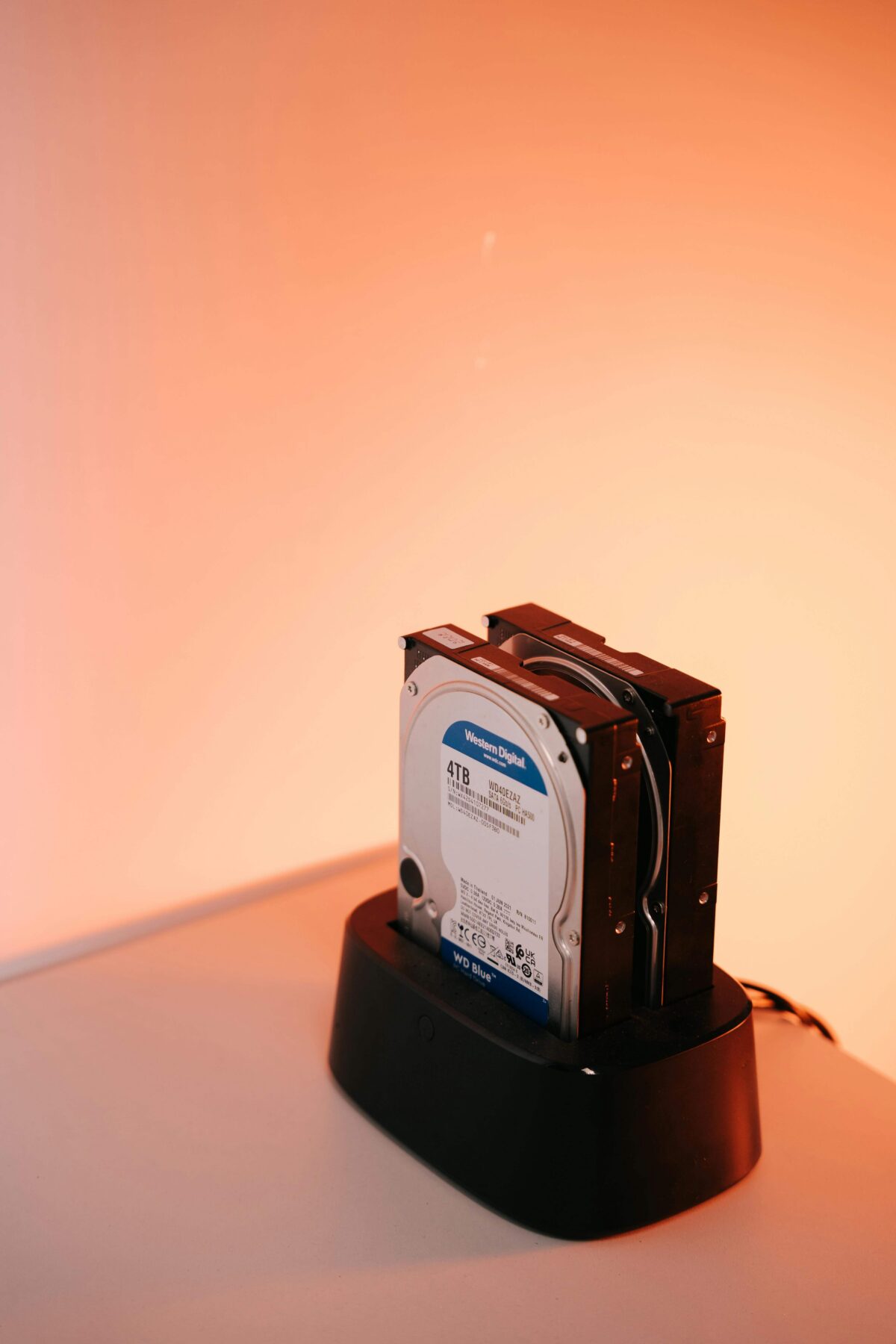
It is important to know the most secure ways to destroy a hard drive for anyone handling sensitive digital information, especially when simply deleting files is not enough to fully remove data from modern storage devices like solid-state drives or traditional disks. Even after formatting, data can often still be recovered unless proper destruction methods are used. If you’re wondering how to destroy a hard drive safely, the right method depends on the device type, data sensitivity, and compliance requirements.

The most secure way to destroy a hard drive is through physical destruction combined with certified data destruction processes. Methods such as shredding, crushing, or degaussing using a strong magnetic field ensure data cannot be recovered. For solid-state drives, secure wiping followed by physical destruction is the most reliable approach for complete data removal and compliance with UK regulations.

What Are the Most Secure Ways to Destroy a Hard Drive? Using Magnetic Field and Physical Methods

One of the most effective techniques for traditional hard drives is degaussing, which uses a powerful magnetic field to disrupt stored data. This method permanently damages the magnetic structure of the disk, making recovery impossible. However, it is not effective for solid state drives because they do not rely on magnetic storage.

For maximum security, drives should be physically destroyed so that internal components are broken beyond repair. This ensures no forensic recovery is possible, even with advanced technology. Professional data destruction services are often used to guarantee compliance with GDPR and environmental standards while ensuring complete elimination of sensitive data.

Solid State Drives and Secure Data Removal

Solid-state drives store data in flash memory cells, which makes them more complex to erase compared to traditional disks. Even after deleting files, remnants can remain due to how data is distributed across memory blocks. This is why secure wiping alone is not always sufficient for high-risk data environments.

In regulated industries, certified destruction processes such as secure shredding and confidential destruction services are used to ensure both digital and physical assets are fully neutralised. These methods reduce risks of data breaches and ensure full compliance with UK data protection laws.

Why Deleting Files Is Not Enough

Deleting files only removes access paths, not the actual stored information. This means recovery software can still retrieve sensitive data unless the device has been securely wiped or physically destroyed. This is especially critical for businesses handling financial, customer, or employee records.

For organisations managing large volumes of electronic waste, secure disposal methods such as product destruction solutions ensure that all devices and embedded data are permanently eliminated. This prevents accidental exposure and strengthens overall data security strategies for anyone seeking practical guidance on how to destroy a hard drive responsibly.

Secure Handling of Mixed Electronic Waste

Hard drives are often part of larger electronic systems that include cables, casings, and additional materials. These components also need safe disposal to prevent data leakage or environmental harm. Specialist processing such as advanced material shredding and separation services ensures all associated waste is securely managed and recycled responsibly.

Conclusion

The most secure ways to destroy a hard drive depend on the type of storage and the sensitivity of the data involved. While magnetic field degaussing is effective for older drives, solid-state drives require secure wiping and physical destruction for full protection. The most reliable solution is certified destruction combined with compliant recycling processes for anyone asking what are the most secure ways to destroy a hard drive.


What Are the Environmental Benefits of Using Professional Shredding Services?

The environmental benefits of using professional shredding services include reducing paper waste, lowering carbon emissions, and supporting recycling systems that turn shredded paper into new paper products. This eco-friendly process helps businesses and individuals minimise environmental impact while improving secure disposal of paper documents and sensitive information.

Eco-Friendly Approach to Paper Waste Reduction

When paper documents are processed through secure shredding, they are converted into shredded paper that can be reused in manufacturing instead of being discarded.

This reduces reliance on raw materials and supports environmentally friendly production methods. Many organisations now choose professional shredding services designed for eco-friendly paper waste reduction to improve sustainability performance while maintaining secure document handling.

Lower Carbon Emissions Through Efficient Recycling

A major environmental advantage comes from reducing carbon emissions during waste processing. Traditional disposal methods require more transport, sorting, and landfill activity, all of which increase greenhouse gases.

In contrast, shredding service systems streamline recycling by preparing shredded materials for direct reuse. This reduces energy consumption and helps reduce carbon output across the supply chain. Businesses and individuals adopting secure shredding solutions that reduce carbon footprint effectively contribute to cleaner environmental outcomes and long-term sustainability.

Supporting Recycling and the Circular Economy

The circular economy relies on keeping materials in use for as long as possible. Shredded paper plays an important role in this system because it can be reprocessed into paper products such as packaging, tissue, and office materials.

Instead of becoming waste, shredded materials return to a paper mill where fibres are reused, reducing demand for virgin resources. This process strengthens environmental responsibility and supports sustainable production cycles. Many companies now rely on environmentally friendly shredding services that support circular economy recycling systems to improve resource efficiency.

Secure Shredding That Protects and Preserves the Environment

Secure shredding ensures that sensitive information is destroyed safely while still supporting environmental goals, especially when delivered through professional shredding services. Paper documents containing confidential data are shredded into fine materials that can be safely recycled without risk of data exposure.

This dual benefit strengthens both security and sustainability. Organisations using eco-friendly shredding services for secure document destruction and recycling achieve compliance with data protection standards while also reducing environmental impact.

How Professional Shredding Reduces Environmental Impact

Professional shredding services improve recycling quality by preventing contamination in paper waste streams. Clean shredded paper is easier to process, resulting in higher-quality recycled paper products and fewer rejected loads.

According to environmental guidance from the UK Government, improving recycling efficiency plays a key role in reducing landfill dependency and lowering overall environmental strain across industries.

Real-World Environmental Benefits for Businesses and Individuals

Businesses generate large volumes of paper documents, while individuals also contribute to household paper waste. Professional shredding services provide a practical way to manage both efficiently.

By using structured recycling systems, shredded paper is repurposed into usable materials instead of being discarded. This reduces environmental pressure and encourages responsible disposal habits that align with modern sustainability goals and eco-friendly living practices.

The environmental impact of shredding extends beyond waste reduction. It supports energy savings, reduces greenhouse gas emissions, and strengthens recycling infrastructure. Every stage of the process contributes to a more efficient system where paper products are reused instead of being wasted.

This is why many organisations now invest in professional shredding services focused on environmental responsibility and secure recycling outcomes as part of their sustainability strategy.

So What Are the Environmental Benefits of Using Professional Shredding Services?

The environmental benefits of using professional shredding services lie in reduced paper waste, lower carbon emissions, improved recycling efficiency, and stronger environmental responsibility. Through eco-friendly shredding systems, businesses and individuals can protect sensitive information while actively supporting a cleaner, more sustainable future.

Are There Eco-Friendly Options For Document Shredding?

Choosing a shredding service is a critical decision for protecting confidential information and maintaining strong data security within any organisation. In the UK, strict data protection laws require businesses to manage sensitive information responsibly, and improper handling can result in a data breach with legal and financial consequences. A professional document shredding service ensures secure document destruction while supporting compliance with the Data Protection Act 2018. Eco-friendly document shredding combines rigorous security with responsible recycling and low-impact collection practices.

It typically involves strong security controls, legal compliance, and selecting the right model when choosing a shredding service, as well as considering sustainability goals when reviewing options for document shredding.

What Defines a Reliable Shredding Service?

A reliable shredding service is defined by its ability to protect confidential information throughout every stage of the disposal process. This includes secure collection, controlled transport, and certified destruction of sensitive information. Strong information security practices reduce exposure risks and ensure compliance with legal obligations.

A provider that follows structured procedures ensures that documents are not only destroyed but fully unrecoverable, which is essential for maintaining trust and regulatory compliance.

Data Security Standards You Should Always Verify

High-level data security is the foundation of any professional shredding service. Organisations should verify whether the provider uses secure handling systems, restricted access procedures, and monitored destruction processes to protect sensitive information.

Using a secure shredding service ensures that confidential materials are destroyed safely, reducing the risk of data exposure and strengthening overall information security controls.

Legal Compliance and UK Data Protection Requirements

Any organisation handling confidential information must comply with UK data protection laws. The Data Protection Act 2018 requires businesses to dispose of records securely and prevent unauthorised access to sensitive data.

Professional document destruction services are designed to meet these legal requirements through structured and auditable processes. Non-compliance can lead to penalties, reputational harm, and increased regulatory scrutiny.

Industry Certification and Operational Standards

Certification is a strong indicator of service quality and operational reliability. Compliance with BS EN 15713 ensures that secure shredding processes meet strict European standards for handling, transport, and destruction.

Additionally, ISO 9001 certification confirms that the provider follows a quality management system designed to deliver consistent results. These standards help organisations ensure compliance while reducing operational risk.

Choosing Between On-Site and Off-Site Shredding Solutions

The decision between on-site and off-site shredding depends on security requirements and operational workflow. Off-site shredding is often more cost-effective for large-scale or scheduled disposal needs. Both methods can be secure when managed under strict procedures and supported by certified processes, and each can be tailored to document shredding requirements across different locations and volumes.

Environmental Practices and Recycling

Many providers now prioritise sustainability by recycling shredded fibre, offering paper waste traceability, and operating efficient collection routes. Selecting a partner that reports on recycling outcomes and environmental metrics helps you meet sustainability objectives without compromising security. These practices complement eco-friendly document shredding while keeping compliance robust.

Secure Chain of Custody and Risk Prevention

A secure chain of custody ensures that confidential information is tracked and protected from the moment it leaves your control until final destruction. This process eliminates gaps where sensitive data could be exposed or mishandled.

Each transfer stage is documented, creating accountability and strengthening information security across the entire process. This level of control is essential for organisations managing high volumes of sensitive information.

Certificate of Destruction and Compliance Evidence

A certificate of destruction provides verified proof that documents have been securely destroyed. This documentation is essential for audits and regulatory inspections, confirming compliance with data protection laws.

It also demonstrates accountability and reinforces an organisation’s commitment to secure data handling practices.

Cost Effectiveness Without Compromising Security

While pricing is important, security should never be compromised for cost savings. A cost-effective solution balances affordability with high standards of protection and reliability.

Working with a professional shredding company ensures consistent service quality, secure handling of confidential information, and long-term peace of mind for organisations.

What Should I Consider When Choosing a Shredding Service?

When choosing a shredding service, consider data security measures, compliance with the Data Protection Act 2018, and adherence to BS EN 15713 standards. A reliable document shredding service should offer secure shredding, maintain a secure chain of custody, and provide a certificate of destruction to ensure confidential information is properly destroyed and protected from data breaches.

Choosing a shredding service requires verifying data security standards, ensuring compliance with UK data protection laws, and confirming secure document destruction through certified processes. When comparing options for document shredding, select a provider that demonstrates strong environmental performance alongside security and compliance.

Selecting the right shredding service is essential for protecting confidential information and maintaining strong compliance with UK regulations. A structured approach that prioritises data security, follows recognised standards, and ensures proper document destruction significantly reduces the risk of a data breach.

By choosing a provider that delivers secure shredding, maintains a secure chain of custody, and complies with the Data Protection Act 2018, organisations can ensure long-term information security and operational peace of mind.