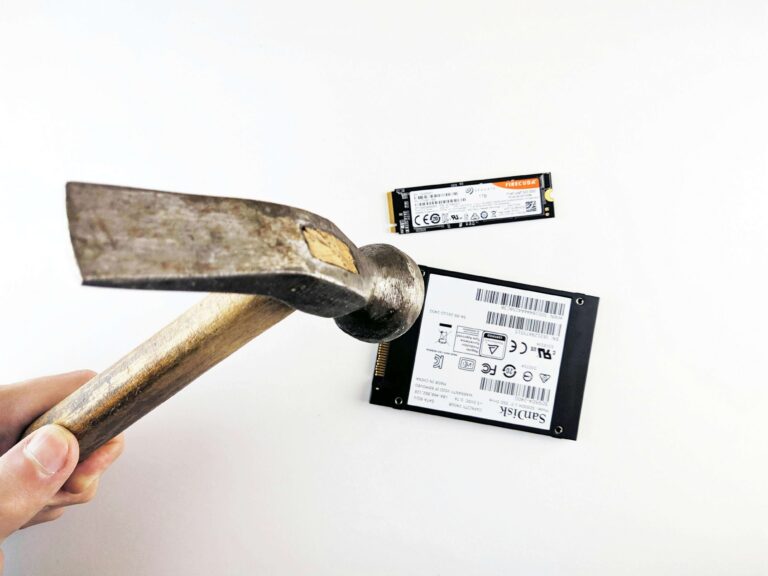
It is important to know the most secure ways to destroy a hard drive for anyone handling sensitive digital information, especially when simply deleting files is not enough to fully remove data from modern storage devices like solid-state drives or traditional disks. Even after formatting, data can often still be recovered unless proper destruction methods are used. If you’re wondering how to destroy a hard drive safely, the right method depends on the device type, data sensitivity, and compliance requirements.
The most secure way to destroy a hard drive is through physical destruction combined with certified data destruction processes. Methods such as shredding, crushing, or degaussing using a strong magnetic field ensure data cannot be recovered. For solid-state drives, secure wiping followed by physical destruction is the most reliable approach for complete data removal and compliance with UK regulations.
What Are the Most Secure Ways to Destroy a Hard Drive? Using Magnetic Field and Physical Methods
One of the most effective techniques for traditional hard drives is degaussing, which uses a powerful magnetic field to disrupt stored data. This method permanently damages the magnetic structure of the disk, making recovery impossible. However, it is not effective for solid state drives because they do not rely on magnetic storage.
For maximum security, drives should be physically destroyed so that internal components are broken beyond repair. This ensures no forensic recovery is possible, even with advanced technology. Professional data destruction services are often used to guarantee compliance with GDPR and environmental standards while ensuring complete elimination of sensitive data.
Solid State Drives and Secure Data Removal
Solid-state drives store data in flash memory cells, which makes them more complex to erase compared to traditional disks. Even after deleting files, remnants can remain due to how data is distributed across memory blocks. This is why secure wiping alone is not always sufficient for high-risk data environments.
In regulated industries, certified destruction processes such as secure shredding and confidential destruction services are used to ensure both digital and physical assets are fully neutralised. These methods reduce risks of data breaches and ensure full compliance with UK data protection laws.
Why Deleting Files Is Not Enough
Deleting files only removes access paths, not the actual stored information. This means recovery software can still retrieve sensitive data unless the device has been securely wiped or physically destroyed. This is especially critical for businesses handling financial, customer, or employee records.
For organisations managing large volumes of electronic waste, secure disposal methods such as product destruction solutions ensure that all devices and embedded data are permanently eliminated. This prevents accidental exposure and strengthens overall data security strategies for anyone seeking practical guidance on how to destroy a hard drive responsibly.
Secure Handling of Mixed Electronic Waste
Hard drives are often part of larger electronic systems that include cables, casings, and additional materials. These components also need safe disposal to prevent data leakage or environmental harm. Specialist processing such as advanced material shredding and separation services ensures all associated waste is securely managed and recycled responsibly.
Conclusion
The most secure ways to destroy a hard drive depend on the type of storage and the sensitivity of the data involved. While magnetic field degaussing is effective for older drives, solid-state drives require secure wiping and physical destruction for full protection. The most reliable solution is certified destruction combined with compliant recycling processes for anyone asking what are the most secure ways to destroy a hard drive.