What Are the Environmental Benefits of Using Professional Shredding Services?

The environmental benefits of using professional shredding services include reducing paper waste, lowering carbon emissions, and supporting recycling systems that turn shredded paper into new paper products. This eco-friendly process helps businesses and individuals minimise environmental impact while improving secure disposal of paper documents and sensitive information.

Eco-Friendly Approach to Paper Waste Reduction

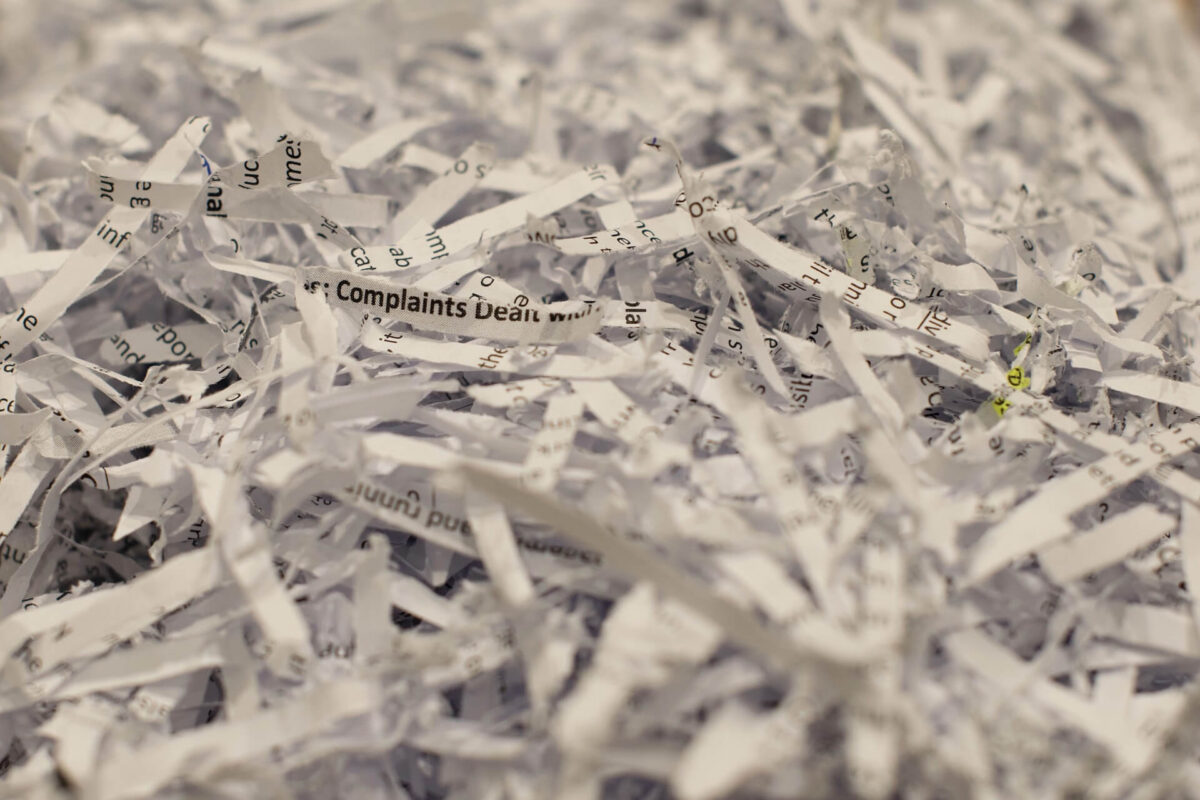
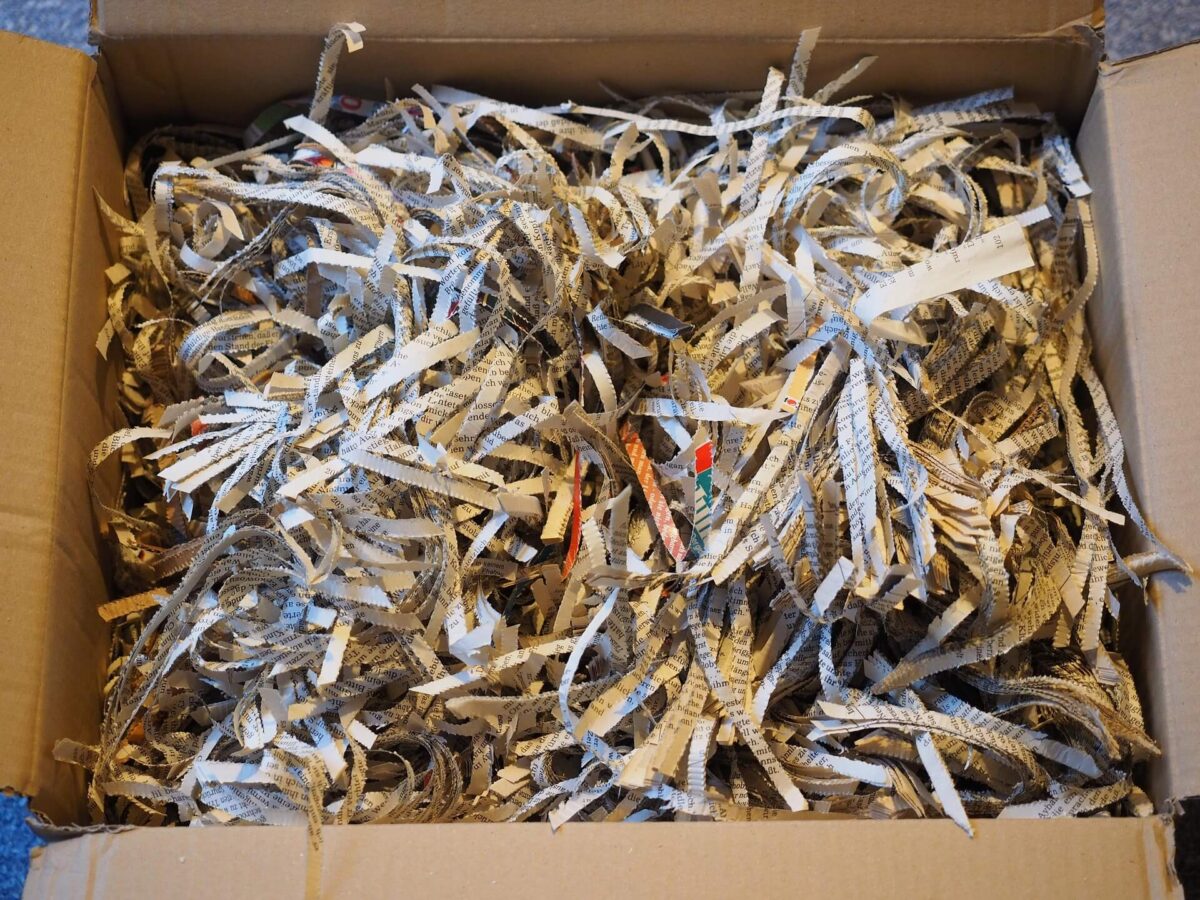
When paper documents are processed through secure shredding, they are converted into shredded paper that can be reused in manufacturing instead of being discarded.

This reduces reliance on raw materials and supports environmentally friendly production methods. Many organisations now choose professional shredding services designed for eco-friendly paper waste reduction to improve sustainability performance while maintaining secure document handling.

Lower Carbon Emissions Through Efficient Recycling

A major environmental advantage comes from reducing carbon emissions during waste processing. Traditional disposal methods require more transport, sorting, and landfill activity, all of which increase greenhouse gases.

In contrast, shredding service systems streamline recycling by preparing shredded materials for direct reuse. This reduces energy consumption and helps reduce carbon output across the supply chain. Businesses and individuals adopting secure shredding solutions that reduce carbon footprint effectively contribute to cleaner environmental outcomes and long-term sustainability.

Supporting Recycling and the Circular Economy

The circular economy relies on keeping materials in use for as long as possible. Shredded paper plays an important role in this system because it can be reprocessed into paper products such as packaging, tissue, and office materials.

Instead of becoming waste, shredded materials return to a paper mill where fibres are reused, reducing demand for virgin resources. This process strengthens environmental responsibility and supports sustainable production cycles. Many companies now rely on environmentally friendly shredding services that support circular economy recycling systems to improve resource efficiency.

Secure Shredding That Protects and Preserves the Environment

Secure shredding ensures that sensitive information is destroyed safely while still supporting environmental goals, especially when delivered through professional shredding services. Paper documents containing confidential data are shredded into fine materials that can be safely recycled without risk of data exposure.

This dual benefit strengthens both security and sustainability. Organisations using eco-friendly shredding services for secure document destruction and recycling achieve compliance with data protection standards while also reducing environmental impact.

How Professional Shredding Reduces Environmental Impact

Professional shredding services improve recycling quality by preventing contamination in paper waste streams. Clean shredded paper is easier to process, resulting in higher-quality recycled paper products and fewer rejected loads.

According to environmental guidance from the UK Government, improving recycling efficiency plays a key role in reducing landfill dependency and lowering overall environmental strain across industries.

Real-World Environmental Benefits for Businesses and Individuals

Businesses generate large volumes of paper documents, while individuals also contribute to household paper waste. Professional shredding services provide a practical way to manage both efficiently.

By using structured recycling systems, shredded paper is repurposed into usable materials instead of being discarded. This reduces environmental pressure and encourages responsible disposal habits that align with modern sustainability goals and eco-friendly living practices.

The environmental impact of shredding extends beyond waste reduction. It supports energy savings, reduces greenhouse gas emissions, and strengthens recycling infrastructure. Every stage of the process contributes to a more efficient system where paper products are reused instead of being wasted.

This is why many organisations now invest in professional shredding services focused on environmental responsibility and secure recycling outcomes as part of their sustainability strategy.

So What Are the Environmental Benefits of Using Professional Shredding Services?

The environmental benefits of using professional shredding services lie in reduced paper waste, lower carbon emissions, improved recycling efficiency, and stronger environmental responsibility. Through eco-friendly shredding systems, businesses and individuals can protect sensitive information while actively supporting a cleaner, more sustainable future.

Are There Eco-Friendly Options For Document Shredding?

Choosing a shredding service is a critical decision for protecting confidential information and maintaining strong data security within any organisation. In the UK, strict data protection laws require businesses to manage sensitive information responsibly, and improper handling can result in a data breach with legal and financial consequences. A professional document shredding service ensures secure document destruction while supporting compliance with the Data Protection Act 2018. Eco-friendly document shredding combines rigorous security with responsible recycling and low-impact collection practices.

It typically involves strong security controls, legal compliance, and selecting the right model when choosing a shredding service, as well as considering sustainability goals when reviewing options for document shredding.

What Defines a Reliable Shredding Service?

A reliable shredding service is defined by its ability to protect confidential information throughout every stage of the disposal process. This includes secure collection, controlled transport, and certified destruction of sensitive information. Strong information security practices reduce exposure risks and ensure compliance with legal obligations.

A provider that follows structured procedures ensures that documents are not only destroyed but fully unrecoverable, which is essential for maintaining trust and regulatory compliance.

Data Security Standards You Should Always Verify

High-level data security is the foundation of any professional shredding service. Organisations should verify whether the provider uses secure handling systems, restricted access procedures, and monitored destruction processes to protect sensitive information.

Using a secure shredding service ensures that confidential materials are destroyed safely, reducing the risk of data exposure and strengthening overall information security controls.

Legal Compliance and UK Data Protection Requirements

Any organisation handling confidential information must comply with UK data protection laws. The Data Protection Act 2018 requires businesses to dispose of records securely and prevent unauthorised access to sensitive data.

Professional document destruction services are designed to meet these legal requirements through structured and auditable processes. Non-compliance can lead to penalties, reputational harm, and increased regulatory scrutiny.

Industry Certification and Operational Standards

Certification is a strong indicator of service quality and operational reliability. Compliance with BS EN 15713 ensures that secure shredding processes meet strict European standards for handling, transport, and destruction.

Additionally, ISO 9001 certification confirms that the provider follows a quality management system designed to deliver consistent results. These standards help organisations ensure compliance while reducing operational risk.

Choosing Between On-Site and Off-Site Shredding Solutions

The decision between on-site and off-site shredding depends on security requirements and operational workflow. Off-site shredding is often more cost-effective for large-scale or scheduled disposal needs. Both methods can be secure when managed under strict procedures and supported by certified processes, and each can be tailored to document shredding requirements across different locations and volumes.

Environmental Practices and Recycling

Many providers now prioritise sustainability by recycling shredded fibre, offering paper waste traceability, and operating efficient collection routes. Selecting a partner that reports on recycling outcomes and environmental metrics helps you meet sustainability objectives without compromising security. These practices complement eco-friendly document shredding while keeping compliance robust.

Secure Chain of Custody and Risk Prevention

A secure chain of custody ensures that confidential information is tracked and protected from the moment it leaves your control until final destruction. This process eliminates gaps where sensitive data could be exposed or mishandled.

Each transfer stage is documented, creating accountability and strengthening information security across the entire process. This level of control is essential for organisations managing high volumes of sensitive information.

Certificate of Destruction and Compliance Evidence

A certificate of destruction provides verified proof that documents have been securely destroyed. This documentation is essential for audits and regulatory inspections, confirming compliance with data protection laws.

It also demonstrates accountability and reinforces an organisation’s commitment to secure data handling practices.

Cost Effectiveness Without Compromising Security

While pricing is important, security should never be compromised for cost savings. A cost-effective solution balances affordability with high standards of protection and reliability.

Working with a professional shredding company ensures consistent service quality, secure handling of confidential information, and long-term peace of mind for organisations.

What Should I Consider When Choosing a Shredding Service?

When choosing a shredding service, consider data security measures, compliance with the Data Protection Act 2018, and adherence to BS EN 15713 standards. A reliable document shredding service should offer secure shredding, maintain a secure chain of custody, and provide a certificate of destruction to ensure confidential information is properly destroyed and protected from data breaches.

Choosing a shredding service requires verifying data security standards, ensuring compliance with UK data protection laws, and confirming secure document destruction through certified processes. When comparing options for document shredding, select a provider that demonstrates strong environmental performance alongside security and compliance.

Selecting the right shredding service is essential for protecting confidential information and maintaining strong compliance with UK regulations. A structured approach that prioritises data security, follows recognised standards, and ensures proper document destruction significantly reduces the risk of a data breach.

By choosing a provider that delivers secure shredding, maintains a secure chain of custody, and complies with the Data Protection Act 2018, organisations can ensure long-term information security and operational peace of mind.

What Should I Consider When Choosing A Shredding Service?

Choosing a shredding service is a critical decision for protecting confidential information and maintaining strong data security within any organisation. In the UK, strict data protection laws require businesses to manage sensitive information responsibly, and improper handling can result in a data breach with legal and financial consequences. A professional document shredding service ensures secure document destruction while supporting compliance with the Data Protection Act 2018.

Many organisations ask, “what should i consider when choosing a shredding service?” when evaluating providers; the answer typically involves strong security controls, legal compliance, and selecting the right model when choosing a shredding service.

What Defines a Reliable Shredding Service?

A reliable shredding service is defined by its ability to protect confidential information throughout every stage of the disposal process. This includes secure collection, controlled transport, and certified destruction of sensitive information. Strong information security practices reduce exposure risks and ensure compliance with legal obligations.

A provider that follows structured procedures ensures that documents are not only destroyed but fully unrecoverable, which is essential for maintaining trust and regulatory compliance.

Data Security Standards You Should Always Verify

High-level data security is the foundation of any professional shredding service. Organisations should verify whether the provider uses secure handling systems, restricted access procedures, and monitored destruction processes to protect sensitive information.

Using a secure shredding service ensures that confidential materials are destroyed safely, reducing the risk of data exposure and strengthening overall information security controls.

Legal Compliance and UK Data Protection Requirements

Any organisation handling confidential information must comply with UK data protection laws. The Data Protection Act 2018 requires businesses to dispose of records securely and prevent unauthorised access to sensitive data.

Professional document destruction services are designed to meet these legal requirements through structured and auditable processes. Non-compliance can lead to penalties, reputational harm, and increased regulatory scrutiny.

Industry Certification and Operational Standards

Certification is a strong indicator of service quality and operational reliability. Compliance with BS EN 15713 ensures that secure shredding processes meet strict European standards for handling, transport, and destruction.

Additionally, iso 9001 certification confirms that the provider follows a quality management system designed to deliver consistent results. These standards help organisations ensure compliance while reducing operational risk.

Choosing Between On-Site and Off-Site Shredding Solutions

The decision between on-site and off-site shredding depends on security requirements and operational workflow.

Off-site shredding is often more cost-effective for large-scale or scheduled disposal needs. Both methods can be secure when managed under strict procedures and supported by certified processes.

Secure Chain of Custody and Risk Prevention

A secure chain of custody ensures that confidential information is tracked and protected from the moment it leaves your control until final destruction. This process eliminates gaps where sensitive data could be exposed or mishandled.

Each transfer stage is documented, creating accountability and strengthening information security across the entire process. This level of control is essential for organisations managing high volumes of sensitive information.

Certificate of Destruction and Compliance Evidence

A certificate of destruction provides verified proof that documents have been securely destroyed. This documentation is essential for audits and regulatory inspections, confirming compliance with data protection laws.

It also demonstrates accountability and reinforces an organisation’s commitment to secure data handling practices.

Cost Effectiveness Without Compromising Security

While pricing is important, security should never be compromised for cost savings. A cost-effective solution balances affordability with high standards of protection and reliability.

Working with a professional shredding company ensures consistent service quality, secure handling of confidential information, and long-term peace of mind for organisations.

What Should I Consider When Choosing a Shredding Service?

When choosing a shredding service, consider data security measures, compliance with the Data Protection Act 2018, and adherence to BS EN 15713 standards. A reliable document shredding service should offer secure shredding, maintain a secure chain of custody, and provide a certificate of destruction to ensure confidential information is properly destroyed and protected from data breaches.

Choosing a shredding service requires verifying data security standards, ensuring compliance with UK data protection laws, and confirming secure document destruction through certified processes.

Selecting the right shredding service is essential for protecting confidential information and maintaining strong compliance with UK regulations. A structured approach that prioritises data security, follows recognised standards, and ensures proper document destruction significantly reduces the risk of a data breach.

By choosing a provider that delivers secure shredding, maintains a secure chain of custody, and complies with the Data Protection Act 2018, organisations can ensure long-term information security and operational peace of mind.

Is It Safe To Throw Away Shredded Documents?

It is generally safe to dispose of shredded documents if they are properly destroyed using secure shredding methods and handled through correct disposal services. However, shredded paper that contains personal data, bank statements, email addresses, or other sensitive information should always be securely managed to prevent identity theft and data exposure. As a quick guide to shredded documents safety, the more secure the cut and the chain of custody, the lower the risk when you throw away shredded documents.

Shredding reduces but does not eliminate the risk of data exposure; safety depends on the shredding method and a secure chain of custody through disposal. For sensitive or high-volume materials, certified shredding and controlled disposal (with proof of destruction) are recommended, while households can usually use general waste. Proper handling prevents reconstruction and identity theft and can be compatible with recycling when material is clean and uncontaminated. In short, the finer the cut and tighter the custody, the safer it is to throw away shredded documents.

Understanding Whether It Is Safe to Throw Away Shredded Documents

Is it safe to throw away shredded documents? It depends on how the shredding process is done and how the shredded paper is disposed of afterwards. When confidential documents are shredded, they are cut into small pieces, but fragments of sensitive information can still exist if disposal is not controlled.

Shredded paper may still contain traces of private information such as bank account details, financial records, or personal data. This means that even after shredding, secure handling is required to ensure full protection.

Proper disposal reduces risks linked to identity theft and prevents misuse of sensitive documents in both home and business environments.

What Happens After Shredding Documents

After shredding documents, the shredded paper is usually collected as business waste or household waste. If not handled correctly, there is a small risk that sensitive information could be reconstructed, especially when large volumes of confidential documents are involved.

Modern recycling systems often process shredded paper by pulping it, which breaks it down further. However, this does not eliminate the need for secure handling, especially for organisations dealing with personal data. These controls improve the safety of shredded documents, particularly where large volumes of material are processed.

This is why many businesses use a professional shredding service that ensures everything is securely shredded and safely processed.

Safe Disposal Practices for Shredded Paper

To properly manage shredded paper, it must be treated as potentially sensitive information waste. Even though shredding documents reduces risk, disposal still matters.

According to UK guidance on data protection and secure storage practices, organisations must ensure personal data is protected at every stage, including disposal.

This includes secure handling of confidential documents, controlled storage of shredded paper, and safe transfer to approved disposal services.

Households can usually dispose of shredded paper in general waste, but businesses dealing with large amounts of business waste should use certified disposal services.

Why Shredding Documents Alone Is Not Enough

Shredding documents significantly reduces the chance of data misuse, but it does not fully eliminate risk. Sensitive documents such as bank statements, email addresses, and financial records can still be vulnerable if shredded paper is not properly mixed or destroyed.

This is why relying only on shredding is not enough for high-risk personal data. A professional shredding service ensures that confidential documents are completely destroyed with no chance of reconstruction.

Professional Shredding Service and Security Standards

A professional shredding service provides controlled destruction of documents using industrial-grade equipment. This ensures that confidential documents, sensitive documents, and personal data are fully destroyed.

These services are especially important for organisations managing business waste containing financial records, client data, or internal documentation. Once shredding is complete, a certificate of destruction is often issued, confirming that all materials have been securely shredded.

This level of security provides peace of mind and reduces the risk of identity theft or data leaks.

Why Secure Disposal Services Matter

Secure disposal services ensure that shredded paper and confidential documents do not re-enter circulation in a recoverable form. Without proper handling, even shredded materials may contain fragments of personal data.

Organisations dealing with large volumes of business waste must treat all shredded documents as sensitive. This includes financial records, HR files, and any document containing private information.

By using controlled disposal services, businesses ensure compliance, reduce risk, and maintain proper data protection standards.

Environmental Impact of Shredded Paper

Shredded paper can still be recycled, but it must be clean and free from contamination. If mixed with other business waste or moisture, recycling facilities may reject it.

Proper handling of shredded documents supports both security and sustainability. When managed correctly, shredded paper contributes to recycling systems while protecting personal data at the same time.

This balance is essential for modern waste management strategies in both homes and businesses.

Why Do Companies Shred Documents?

Why companies shred documents is essential to understand for organisations that handle personal data and confidential information. Businesses work daily with financial documents, contracts, and records, and improper disposal can lead to sensitive information falling into the wrong hands. Proper shredding of documents remains one of the most secure methods to dispose of sensitive information while maintaining compliance with data protection requirements.

Without secure processes, companies become vulnerable to data breaches, fraud, and reputational damage. This is why secure shredding is a core part of modern data management.

Why Is Secure Shredding Important for Data Protection Laws?

Businesses must comply with strict data protection laws and data protection regulations when handling confidential documents and sensitive documents. These laws require organisations to ensure that personal information is destroyed securely once it is no longer needed.

Using a professional shredding service helps businesses meet these obligations efficiently. Many providers issue a certificate of destruction, confirming that documents have been securely destroyed.

Following best practices for professional shredding service ensures compliance and reduces the risk of legal penalties.

How Shredding Prevents Identity Theft and Data Breaches

A key reason for shredding documents is to prevent identity theft. Documents containing personal information such as addresses or bank details can easily be misused if not destroyed properly.

When paperwork is discarded without care, it risks falling into the wrong hands, leading to fraud and serious data breaches. Research and discussions, such as this explanation on why companies shred documents, show how easily unsecured data can be exploited.

By applying secure shredding, businesses ensure that confidential information is destroyed and cannot be recovered.

Protecting Confidential Information in Business

Companies hold valuable confidential information, including internal records, pricing strategies, and client data. Losing control of this information can damage trust and competitiveness.

An office shredder may work for small volumes, but larger organisations benefit from outsourcing to a professional shredding service. According to guidance on confidential shredding, secure disposal reduces risks and improves operational reliability.

Saving Time and Improving Workplace Efficiency

Regular shredding documents reduces clutter and improves organisation. Businesses that adopt structured disposal methods benefit from saving time and maintaining a more efficient workflow.

Outsourcing shredding also removes the burden from staff while ensuring compliance with data protection regulations. This allows teams to focus on core operations instead of manual document handling.

Environmental Benefits of Shredded Paper

Once destroyed, shredded paper can be recycled efficiently. This supports sustainability efforts while ensuring secure disposal.

Combining secure shredding with recycling allows businesses to protect data and reduce environmental impact at the same time.

What Documents Should You Shred?

You should shred documents that contain sensitive information such as bank statements, credit card numbers, account numbers, utility bills, medical records, and any paperwork containing personal data. When shredding documents, ensure anything with identifying details is destroyed. These items can be used by identity thieves if they are not securely disposed of, increasing the risk of identity theft and confidential information falling into the wrong hands.

Knowing what documents should you shred is essential for protecting personal information, improving data security, and ensuring all confidential data is securely disposed of in both home and business environments. Establish clear routines for shredding documents to reduce risk.

What Documents Should You Shred?

Many people underestimate how much personal information is stored in everyday paperwork. When these documents are not securely shredded, sensitive information can be accessed and misused by identity thieves.

Proper disposal ensures that confidential information such as credit card numbers, account numbers, and personal data cannot be reconstructed or exploited. When shredding documents, use reliable methods to prevent recovery. This is an important part of maintaining strong data security practices in the UK.

Types of Documents You Should Shred

Several types of documents should always be securely shredded once they are no longer required. Financial paperwork such as bank statements, loan agreements, and tax records often contains sensitive information and personal data that could lead to identity theft if exposed.

Medical records, insurance documents, and prescription labels also contain confidential information that should never be discarded without shredding. These documents can reveal private health details linked directly to your identity.

Utility bills, council correspondence, and service contracts are also important documents that should be destroyed when outdated. These often include your phone number, address, and account number information.

Even junk mail can pose a risk because it sometimes contains partial personal information that can be used by identity thieves to build a profile of your identity. Asking yourself what documents should you shred can help you decide what to place in a shred pile rather than a general waste bin.

There are businesses in the market that can help, which apply best practices and resources to save you from risks associated with improper disposal when shredding documents.

Why Secure Shredding Improves Data Security

Secure shredding plays a vital role in protecting data security. When confidential data is not properly destroyed, it increases the likelihood of personal information being accessed by unauthorized individuals.

Documents left in filing cabinets for long periods can be forgotten and later exposed to theft or misuse. Even small fragments of personal data can be used to reconstruct identities, leading to financial fraud or identity theft.

Government consumer protection advice highlights the importance of securely disposing of paperwork containing sensitive information to prevent it from being exploited. This includes ensuring all financial and personal records are securely shredded before disposal and following clear guidance on what documents should you shred.

Secure Disposal Methods for Sensitive Information

The most effective way to protect sensitive information is through proper shredding methods. Cross-cut shredders are recommended because they turn documents into small unreadable pieces, making reconstruction extremely difficult.

For businesses or households with large volumes of paperwork, professional shredding services are often the safest option. These services ensure all confidential information is securely disposed of in compliance with data protection regulations, and they provide certificates of destruction to confirm shredding documents was completed properly.

Further industry best practices on secure destruction and document handling can be found through businesses that offer professional shredding services to guide you on the destruction of resources, and confidential data should be managed safely.

Managing Personal Data Before Shredding

Before destroying documents, it is important to review what personal data they contain. Items such as bank statements, credit card numbers, and account numbers should always be carefully checked before shredding documents.

Storing documents safely in filing cabinets before shredding helps reduce the risk of exposure. This is especially important in shared environments where multiple people may have access to paperwork.

While digital storage reduces reliance on paper, printed copies of sensitive information should still be securely shredded once they are no longer needed.

Regular Shredding Habits for Better Protection

Developing a routine for shredding documents helps maintain strong protection against identity theft. Reviewing paperwork regularly ensures that outdated important documents are not left unattended. When organising your files, pause and ask: what documents should you shred? Then destroy anything that is no longer required and contains personal data.

Items such as financial records, personal data sheets, and confidential information should be destroyed as soon as they are no longer required for legal or administrative purposes.

How Long Should You Keep Documents Before Shredding?

Knowing the correct time-frame for storing paperwork before disposal or shredding documents plays an important role in staying organised, meeting UK legal requirements, and protecting sensitive information under proper data protection standards. A common issue is that many individuals and businesses either throw documents away too soon or keep them for longer than necessary, which can lead to compliance problems and unnecessary storage clutter.

This guide explains clear UK retention periods for different types of documents and when they should be safely and securely removed from circulation.

Why Document Retention Matters

Document retention is closely linked to financial accuracy, identity protection, and regulatory compliance. When you bear in mind how sensitive personal data can be, it becomes clear why structured storage timelines are important.

Following correct retention periods ensures that records are available for tax checks, insurance claims, or legal verification when needed. At the same time, once these records are no longer required, they should be handled through proper disposal processes, such as secure destruction methods that prevent data misuse when shredding documents.

How Long Should You Keep Documents Before Shredding? UK Retention Periods

Different documents must be kept for different lengths of time depending on their purpose and legal importance.

Financial records such as bank statements, loan agreements, and credit card histories should typically be kept for six years. This aligns with HMRC review periods and ensures you have supporting evidence for any financial checks.

Tax-related documents also follow a six-year retention period. This includes self-assessment records, receipts, and supporting documentation. Keeping these organised ensures compliance with UK financial rules and supports accurate reporting.

Utility bills are generally required for only one to two years unless used for proof of address. After this period, they can be safely removed from storage and processed under responsible practices for shredding documents.

Employment records vary in importance. Payslips should usually be retained for at least one year, while employment contracts and pension documentation may need to be stored long-term. These records support income verification and future pension calculations.

Insurance documents should be kept for the duration of the policy and up to six years after any claim is completed. This ensures continued access to important evidence if disputes arise.

Property and mortgage documents should be treated with long-term importance. Mortgage agreements should be kept for at least six years after completion, while ownership documents should be retained permanently.

Data Protection and Secure Disposal

Proper disposal is essential once documents reach the end of their retention cycle. Strong data protection practices ensure personal and financial information cannot be recovered or misused after disposal.

Simply discarding paperwork is not enough, as sensitive details can still be exposed. Shredding ensures that information is fully destroyed and cannot be reconstructed. This is especially important for financial, medical, and identity-related records.

Businesses and individuals should follow structured disposal processes that align with recognised waste handling systems. Professional services specialising in shredding documents ensure documents are handled in line with compliance standards and environmental responsibility.

When Documents Should Be Securely Destroyed

Documents should only be removed once all relevant retention periods have expired and there is no legal or financial requirement to keep them. At that stage, they should be processed through secure disposal methods that meet official standards.

Responsible handling ensures compliance with legal requirements while reducing the risk of identity theft or data exposure. It is important to regularly review stored documents so outdated information does not accumulate unnecessarily.

Before disposal, always confirm whether the document may still be required for audits, claims, or verification purposes. Once confirmed unnecessary, it should be permanently removed from circulation.

Secure Disposal

Common Mistakes to Avoid

One of the most common mistakes is destroying financial records too early, especially before the six-year retention period has passed. This can cause issues during tax investigations or financial disputes.

Another mistake is keeping every document indefinitely, which leads to unnecessary storage and increased security risk. Old paperwork that is no longer required should always be reviewed and removed responsibly.

Failing to apply consistent storage systems is also a frequent issue. Without proper organisation, important documents can be misplaced or destroyed prematurely.

Best Practice for Document Management

A structured approach to document handling ensures compliance and efficiency. Organising paperwork into categories such as financial, legal, and personal makes it easier to track retention periods.

Reviewing documents annually helps ensure nothing is kept longer than necessary. Once records pass their retention cycle, they should be moved into a disposal queue for secure processing.

This approach supports both organisation and compliance while reducing unnecessary storage over time.