Paper recycling is one of the simplest and most effective ways to protect the environment. Every year, millions of tonnes of paper are discarded in homes, schools, and workplaces, creating large amounts of paper waste that end up in landfill sites. Recycling paper products and choosing recycled paper reduces pollution, conserves resources, and supports a cleaner future. For anyone asking whether paper should be recycled, the evidence shows that responsible collection and processing deliver clear environmental benefits.
The paper industry relies heavily on trees, water, and energy to manufacture new materials. Recycling paper helps the environment because it lowers the demand for raw wood pulp and reduces harmful industrial emissions. It also cuts landfill waste and supports sustainable production methods.
Many environmental experts agree that recycling paper and cardboard plays a major role in reducing climate impact. A single ton of recycled paper saves 17 trees, conserves water, and prevents unnecessary waste accumulation. It also helps reduce greenhouse gas emissions linked to paper manufacturing and disposal.
Why Should Paper Be Recycled?
Paper should be recycled because it saves trees, reduces paper waste, lowers pollution, conserves energy, and decreases landfill use. The paper recycling process also helps reduce greenhouse gas emissions while supporting sustainable manufacturing within the paper industry.
How Recycling Paper Helps the Environment
Recycling Conserves Natural Resources
Forests are essential for absorbing carbon dioxide and maintaining biodiversity. However, large-scale paper production requires millions of trees every year. Recycling recovered paper helps preserve forests by reducing the need for virgin wood pulp.
When paper is recycled, fewer raw materials are required during manufacturing. This protects wildlife habitats and supports healthier ecosystems.
Recycling Uses Less Energy
Producing paper from recycled fibres can use up to 70 less energy compared with creating paper from new materials. This significantly helps reduce the energy required for industrial production.
Lower energy consumption means fewer fossil fuels are burned, helping industries decrease their carbon footprint and environmental impact.
Recycling Reduces Landfill Waste
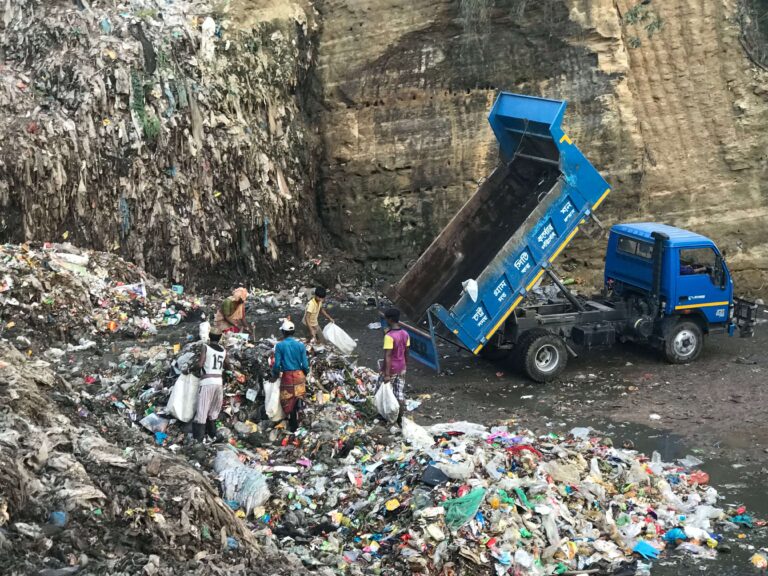
Paper waste occupies a large percentage of landfill space globally. Without proper recycling systems, discarded paper products contribute to growing waste management problems.
Recycling one ton of paper can save approximately three cubic yards of landfill space. Across millions of tonnes of paper recycled annually, this creates a major environmental benefit for communities and local authorities.
Recycling Lowers Greenhouse Gas Emissions
When paper decomposes in landfills, it releases methane gas into the atmosphere. Methane is a harmful greenhouse gas that contributes to climate change.
The paper recycling process reduces the amount of waste sent to landfill sites while lowering emissions linked to manufacturing. Recycling facilities also use cleaner and more efficient technologies than traditional production systems.
Understanding the Paper Recycling Process
The paper recycling process begins when households and businesses place recyclable paper products into a recycling bin for collection. The materials are transported to recycling centres where they are sorted into different grades.
Recovered paper is then shredded and mixed with water to create pulp. Contaminants such as staples, adhesives, and ink are removed before the fibres are cleaned and processed into new paper products.
Recycled paper fibres can be reused to create:
Newspapers
Cardboard packaging
Tissue paper
Office paper
Shipping cartons
Retail packaging
Many businesses now integrate recycling systems with confidential data destruction services to securely dispose of sensitive paper documents while improving sustainability efforts.
Why the Paper Industry Is Focusing on Sustainability
The modern paper industry is shifting towards more environmentally responsible practices. Manufacturers increasingly use recycled materials and invest in cleaner technologies to reduce environmental damage.
Many organisations now obtain environmental certificates that confirm responsible sourcing and sustainable manufacturing standards. These certifications reassure consumers that businesses are taking environmental protection seriously.
Companies that recycle paper and cardboard also reduce waste disposal costs while improving operational efficiency. Businesses focused on sustainability often implement professional waste management solutions to support long-term environmental goals.
The Economic Benefits of Recycling Paper
Paper recycling not only helps the environment. It also creates financial advantages for businesses and local communities.
Using recycled materials can reduce production costs because fewer raw resources are required. Recycling industries also create employment opportunities in waste collection, processing, transportation, and manufacturing.
Governments worldwide continue encouraging recycling initiatives because they reduce landfill pressures and lower public waste management expenses.
Common Paper Products That Can Be Recycled
Many everyday paper products are recyclable when disposed of correctly. Common recyclable materials include office paper, magazines, cartons, newspapers, and cardboard boxes.
Paper and cardboard packaging from online deliveries can also be recycled efficiently. However, heavily contaminated materials, such as greasy food packaging, may not be suitable for processing.
Businesses handling textile and packaging waste sometimes combine paper recycling with industrial textile shredding solutions to improve overall recycling performance and reduce landfill dependency.
Simple Ways to Reduce Paper Waste
Reducing paper waste begins with small daily habits. Choosing digital documents, reusing printed sheets, and separating recyclable materials correctly all make a positive difference.
Households and workplaces should place accessible recycling bin stations in key areas to encourage participation. Purchasing products made from recycled materials also supports the circular economy and strengthens demand for sustainable manufacturing.
Consumers increasingly support companies that invest in environmentally responsible practices and sustainable recycling systems.
Understanding why paper should be recycled highlights the importance of protecting forests, conserving energy, and reducing environmental harm. Recycling paper products decreases landfill waste, lowers pollution, and supports sustainable production across the paper industry.
The paper recycling process also helps reduce greenhouse gas emissions while conserving valuable natural resources. Whether at home or in business environments, recycling paper remains one of the most practical ways to support a cleaner and more sustainable future.