Understanding how to recycle laptops safely helps individuals and businesses protect personal data while reducing electronic waste. Old laptops contain valuable materials, including metals, plastics, and electronic components, which can be recovered and reused through certified programs when you recycle laptops instead of sending them to landfill.
However, laptops also store sensitive information, such as passwords, documents, customer details, and financial records. Before recycling any device, it is essential to remove personal data correctly and choose a responsible recycling solution.
A secure laptop recycling process ensures unwanted technology is handled safely while supporting environmental sustainability and responsible resource recovery. It also helps you recycle laptops safely by pairing data protection with responsible disposal.
How To Recycle Laptops Safely Before Disposal
The first step in safe laptop recycling is protecting the information stored on your device. Deleting files manually does not completely remove data, because specialist recovery tools may still access deleted information.
Before recycling your laptop:
Create a backup of important files that you want to keep.
Sign out of online accounts and remove saved passwords.
Perform a complete data wipe using secure software.
Remove external storage devices such as USB drives or memory cards.
For organisations disposing of multiple laptops, professional services that provide secure data destruction can help permanently remove confidential information before recycling.
This process reduces the risk of data breaches and ensures devices are prepared correctly for responsible disposal.
Choose A Trusted Recycling Centre for Old Laptops
Selecting the right recycling centre is an important part of responsible laptop disposal. Approved recycling facilities have specialist processes to dismantle devices safely, recover reusable materials, and manage electronic components correctly.
A professional recycling centre can recover materials such as aluminium, copper, plastics, and circuit board components. These resources can be reused in manufacturing, reducing the need for extracting new raw materials.
Using reliable laptop recycling services helps ensure unwanted equipment is processed responsibly while supporting sustainable electronic waste management. These providers make it easier to recycle laptops safely and meet compliance requirements.
Why Laptop Recycling Is Important for the Environment
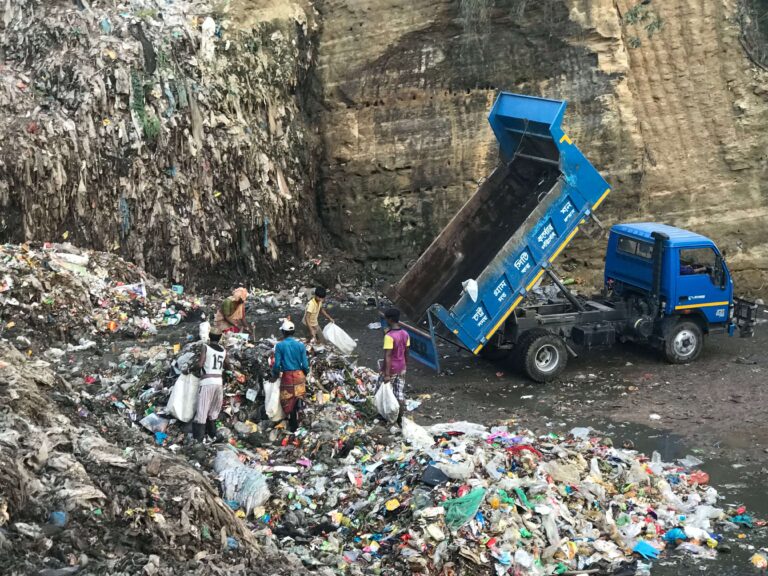
Electronic waste is one of the fastest-growing waste streams worldwide. Incorrectly disposing of laptops can result in valuable resources being lost and increase the environmental impact of technology consumption.
Responsible laptop recycling provides several benefits:
Reduces electronic waste sent to landfill.
Recovers valuable materials for reuse.
Supports the circular economy.
Prevents harmful components from being managed incorrectly.
Recycling also allows working laptops to be refurbished and reused, extending their lifespan and reducing demand for new devices.
How Businesses Can Recycle Laptops Responsibly
Businesses often replace large quantities of computers due to upgrades, security requirements, or equipment replacement programmes. Managing these devices correctly is essential for protecting company information and meeting sustainability goals.
A responsible business laptop recycling process should include:
Secure removal of confidential information.
Tracking and documenting recycled equipment.
Separating reusable devices from damaged hardware.
Working with a trusted recycling provider.
Proper disposal procedures help companies improve environmental performance while reducing risks associated with outdated technology.
What Happens to Laptops After Recycling?
After collection, laptops are inspected to determine whether they can be reused, refurbished, or recycled. Devices that are still functional may receive repairs before being passed on for continued use.
Damaged laptops are carefully dismantled, allowing recycling specialists to recover valuable materials. Components such as batteries, metals, plastics, and electronic parts are processed separately to maximise recovery.
This approach prevents unnecessary waste and ensures useful resources remain within the manufacturing cycle.
Common Mistakes When Recycling Laptops
Many people make mistakes when disposing of old laptops, which can create environmental and security issues.
One common mistake is placing laptops in general waste bins. Electronic equipment requires specialist recycling because it contains materials that should not enter standard waste streams.
Another mistake is failing to remove personal data before disposal. Even old or damaged devices may contain information that could be recovered without proper data wiping.
Choosing an unreliable recycling provider can also create problems. Always use a trusted service that follows responsible recycling procedures and protects confidential information.