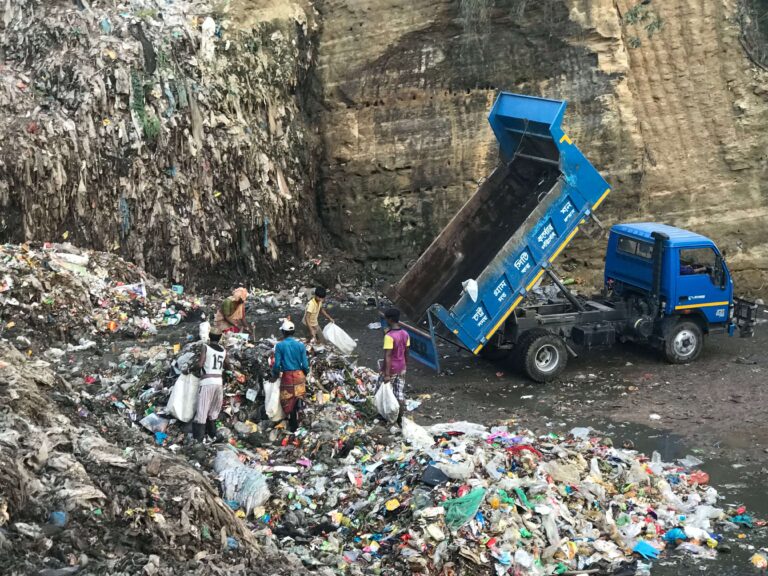
Electronic waste is one of the fastest-growing waste streams worldwide. Every year, millions of phones, laptops, televisions, printers, batteries, and household appliances are discarded, even though many can still be repaired, reused, or recycled. Understanding how we can reduce electronic waste is essential for protecting natural resources, reducing pollution, and supporting a more sustainable future. Whether you are an individual, business owner, school, or public organisation, taking simple steps today can significantly reduce the amount of e-waste entering landfill and help you recycle electronic waste correctly.
Why Is Electronic Waste a Growing Problem?
Electronic waste, often called e-waste, includes any electrical or electronic equipment that has reached the end of its useful life. This includes large appliances, IT equipment, consumer electronics, lighting products, and small electrical devices.
Many electronic products contain valuable materials such as gold, copper, aluminium, silver, and rare earth metals. They also contain hazardous substances, including lead, mercury, cadmium, and lithium batteries. When these items are disposed of incorrectly, they can contaminate soil and water while wasting valuable resources that could be recovered through recycling.
The increasing demand for new technology means people replace devices more frequently than ever before. As a result, electronic waste continues to grow each year.
How Can We Reduce Electronic Waste?
The best way to reduce electronic waste is by extending the life of electrical products and ensuring they are disposed of responsibly. A combination of repairing, reusing, donating, refurbishing, recycling, and buying wisely can make a significant difference.
Buy Quality Products That Last Longer
Choosing durable electronics reduces the need for frequent replacements. While cheaper products may appear cost-effective, they often fail sooner and generate more waste.
When buying new electronics:
Choose trusted manufacturers.
Look for repairable products.
Check warranty periods.
Select energy-efficient models.
Consider future software support.
Investing in longer-lasting products reduces waste while saving money over time.
Repair Instead of Replacing
Many devices are thrown away because of minor faults such as broken screens, damaged charging ports, worn batteries, or faulty power supplies.
Repairing electronics helps:
Extend product lifespan.
Reduce manufacturing demand.
Save valuable raw materials.
Lower replacement costs.
Reduce carbon emissions.
Businesses should also establish repair policies before approving equipment replacements.
Reuse Devices Whenever Possible
Not every old device has reached the end of its life. Many electronics still function perfectly after upgrades or minor repairs.
Examples include:
Using older laptops for basic office work.
Converting old tablets into digital displays.
Reusing smartphones as security cameras.
Passing equipment between departments.
Keeping backup devices for emergencies.
Reusing electronics delays disposal and maximises the value of every purchase.
Donate Unwanted Electronics
If equipment is no longer required but still works, donating it gives it a second life.
Suitable organisations include:
Schools
Community groups
Charities
Non-profit organisations
Training centres
Before donating any electronic equipment, securely erase all personal and business data to protect sensitive information.
Recycle Electronic Waste Responsibly
Eventually, every electronic product reaches the end of its useful life. When this happens, proper recycling becomes essential. Learn where to recycle electronic waste locally and choose certified services.
Professional electronic waste recycling allows valuable materials to be recovered while hazardous substances are handled safely.
Responsible recycling helps:
Recover precious metals.
Reduce landfill waste.
Prevent environmental contamination.
Lower demand for raw material mining.
Support the circular economy.
Businesses should always use licensed recycling providers for compliant disposal of electronic waste.
Dispose of Batteries Separately
Batteries should never be placed in general waste bins.
Lithium-ion batteries, rechargeable batteries, and other battery types can cause fires during waste collection if damaged or crushed.
Always:
Use dedicated battery recycling points.
Store damaged batteries safely.
Cover exposed terminals.
Follow local recycling guidance.
Arrange specialist collection for large battery volumes.
Battery recycling protects both people and the environment.
Upgrade Devices Instead of Buying New Ones
Many electronic products can be upgraded rather than replaced.
Common upgrades include:
Installing more RAM.
Replacing hard drives with SSDs.
Upgrading batteries.
Replacing keyboards.
Installing updated software.
Simple upgrades often improve performance while avoiding unnecessary electronic waste.
Buy Refurbished Electronics
Refurbished equipment provides another excellent way to reduce electronic waste.
Professionally refurbished products are inspected, repaired, tested, and resold at lower prices than brand-new devices.
Benefits include:
Lower costs.
Reduced environmental impact.
Extended product life.
Less manufacturing waste.
Reliable performance when purchased from reputable suppliers.
Many businesses now include refurbished equipment within their sustainability strategies.
Reduce Electronic Waste in the Workplace
Businesses generate significant volumes of electronic waste through routine equipment upgrades.
Simple workplace improvements include:
Creating equipment replacement schedules.
Tracking all IT assets.
Maintaining devices regularly.
Refurbishing computers where possible.
Recycling obsolete equipment responsibly.
Training employees about electronic waste also encourages better everyday decisions.
Support the Circular Economy
Reducing electronic waste is an important part of the circular economy.
Instead of following a “buy, use, dispose” approach, the circular economy keeps products and materials in use for as long as possible through repair, refurbishment, reuse, remanufacturing, and recycling.
This approach helps conserve natural resources while reducing greenhouse gas emissions.
Educate Employees and Families
Many people do not know how electronic waste should be managed.
Awareness campaigns can encourage people to:
Recycle old electronics.
Repair damaged devices.
Donate working equipment.
Avoid unnecessary upgrades.
Buy sustainable products.
Small behavioural changes across households and organisations create significant environmental benefits.
Environmental Benefits of Reducing Electronic Waste
Reducing electronic waste benefits both people and the planet.
Key advantages include:
Less landfill waste.
Lower pollution levels.
Reduced greenhouse gas emissions.
Conservation of natural resources.
Protection of ecosystems.
Reduced mining activity.
Improved public health.
Increased recycling rates.
Greater resource efficiency.
Stronger circular economy.
Every repaired device, reused computer, or recycled appliance contributes to these environmental improvements.
Common Electronic Waste Items
Many people are surprised by the number of products classified as electronic waste.
Examples include:
Mobile phones
Desktop computers
Laptops
Tablets
Televisions
Monitors
Keyboards
Printers
Routers
Power supplies
Chargers
Speakers
Cameras
Gaming consoles
Microwaves
Washing machines
Refrigerators
Vacuum cleaners
LED lighting
Lithium batteries
These products should never be disposed of with general household or commercial waste where recycling facilities are available.
The Future of Electronic Waste Reduction
Governments, manufacturers, businesses, and consumers all have a role in reducing electronic waste. Product designs are gradually becoming easier to repair, recycling technologies continue to improve, and more organisations are embracing sustainable purchasing policies.
However, long-term success depends on responsible consumer behaviour. Choosing repair over replacement, buying durable products, supporting recycling schemes, and disposing of electronics correctly will all contribute to reducing e-waste.
Understanding how we can reduce electronic waste is becoming increasingly important as technology continues to evolve. Every electronic device contains valuable materials that deserve a second life rather than ending up in a landfill. By purchasing quality products, repairing devices, reusing equipment, donating working electronics, upgrading instead of replacing, and recycling responsibly, individuals and businesses can significantly reduce electronic waste. Learn where and how to recycle electronic waste through local programs and certified providers so items are processed safely and sustainably. Small actions taken consistently make a meaningful difference to the environment while supporting a more sustainable and resource-efficient future.